


Publishing Case Reports

0.0
0.0 out of 5 stars (based on 0 reviews)
Publishing Case Reports

Table of Contents

Welcome!

Navigating the process of Publishing Case Reports is more than just clicking “submit” — it is a strategic endeavor that determines whether your valuable clinical insights reach the right audience. This guide to Submission and Publication Strategy will help you understand that finding the perfect home for your work is just as critical as the quality of your writing, saving you from the frustration of avoidable rejections.

Moreover, by exploring this guide, you will learn how to identify reputable journals, avoid predatory publishers, and master the meticulous technical details of the submission process, ensuring your contribution to medical knowledge is recognized and accepted.

Overview

The process of publishing case reports marks a turning point where strategic thinking meets scientific writing. Choosing the right journal is not optional—it is essential. Submitting to an ill-fitting journal often leads to immediate rejection, wasting time and resources and delaying the dissemination of your valuable clinical observations. This article will guide you step-by-step through selecting a suitable journal and preparing a submission that minimizes risk and maximizes the chance of successful publication.

Choosing the Right Journal

Your goal is to find the best fit for your specific case. A scattergun approach is inefficient.

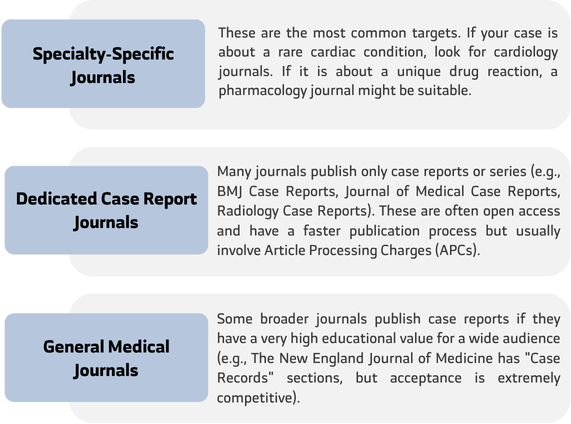
Identify Your Journal's Niche

Conduct a Smart Literature Search

This is the most effective strategy.

  • Where have similar cases been published? Go to PubMed or Google Scholar and search for keywords related to your case. Look at the journals where the most relevant and recent similar case reports have been published. This gives you a proven list of potential targets.
  • Use Journal Finder Tools: Many publishers offer free tools where you paste your title and abstract, and they suggest suitable journals from their portfolio.

      1️⃣ Elsevier Journal Finder
      2️⃣ Springer Nature Journal Suggester
      3️⃣ Wiley Journal Finder
      4️⃣ JANE (Journal/Author Name Estimator) is a broad, publisher-agnostic tool.

Evaluate the Journal's Suitability and Legitimacy

Once you have a shortlist, vet each journal carefully.

  • Indexing: Is the journal indexed in reputable databases like PubMed/MEDLINE, Scopus, or Web of Science? This is a key indicator of quality and ensures your work will be discoverable. Avoid journals not in any major index.
  • Audience and Reach: Who reads this journal? Will your case reach the right clinicians or researchers?
  • Acceptance Rate and Speed: Some journals publish their average time from submission to first decision. This can be a deciding factor.

The Submission Process

This is a meticulous, step-by-step process. Rushing leads to mistakes and desk rejection.

Meticulously Prepare Your Manuscript

  • Follow the “Instructions for Authors”: This is the single most important rule. Go to the journal’s website, find this guide, and follow it to the letter. Pay strict attention to:
    • Word Count Limits (for the abstract and entire manuscript).
    • Reference Style and Number (e.g., Vancouver, APA).
    • Figure/Table Formatting (size, resolution, file type).
    • Required Sections (e.g., Consent Statement, Declarations).
  • Use the CARE Checklist: Many case report journals require you to submit a completed CARE checklist as a supplementary file. Even if they don’t, using it ensures your report is comprehensive.

Gather All Required Documents

Before you even start the online submission, have these ready:

  • Main Manuscript File (often in a specific format like .docx).
  • Figures and Tables as separate files.
  • Cover Letter: A formal letter addressed to the Editor-in-Chief.
    • Briefly introduce your manuscript and its title.
    • Clearly state why your case is novel, important, and a good fit for their specific journal.
    • Confirm that the work is original, not under consideration elsewhere, and that you have obtained patient consent.
    • Suggest potential reviewers (if the journal allows it).
  • Patient Consent Form: You may need to upload a copy of the signed, written informed consent form.
  • Signed Copyright Transfer or License to Publish Form.
  • Author Contribution Forms (some journals require each author to specify their role).
  • CARE Checklist (if required).

Navigate the Online Submission System

Most journals use systems like Editorial Manager, ScholarOne, or similar.

  • Create an Account: You will be the “corresponding author.”
  • Enter All Co-Author Details: You will need their full names, institutions, and email addresses. The system will often email them to confirm their participation and affiliation.
  • Upload Files in the Correct Order: The system will guide you on where to upload the manuscript, figures, and supplementary files.
  • Double-Check Everything: Before final submission, you will be shown a proof. Review it carefully for formatting errors.

Understand the Post-Submission Workflow

  • Initial Editorial Check: The journal’s editorial staff checks if the manuscript meets basic formatting and ethical requirements. If not, it may be returned to you for correction (a “desk rejection”).
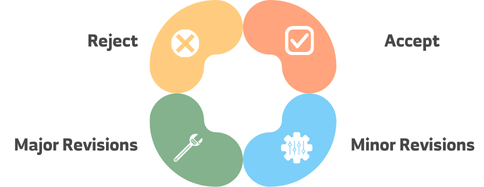
  • Peer Review: If it passes the initial check, it is sent to independent experts (peer reviewers). This process can take several weeks to months. You may receive a decision of:
  • Responding to Reviews: If you get a “revise” decision, this is a positive outcome. Write a detailed, point-by-point response to every reviewer comment, explaining how you addressed them in the revised manuscript. Be polite and professional.

  • Acceptance and Proofs: Once accepted, you will often receive page proofs to check for typesetting errors. After this, your report will be published online.

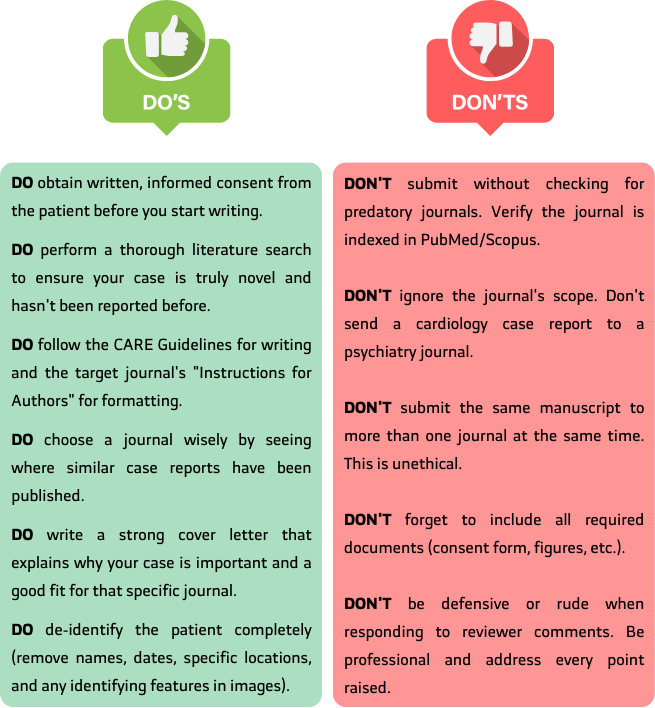
Brief notes on the essential dos and don'ts for publishing a case report

The Final Step Toward Successful and Impactful Publication

By selecting your journal strategically and preparing your submission with meticulous attention to detail, you substantially increase your chances of having your clinical work published and sharing your valuable insights with the medical community. A thoughtful, well-executed approach transforms your effort from a simple submission into a meaningful contribution to scientific knowledge and clinical practice.

To further guide you, we will soon publish a comprehensive supplement detailing the practical, step-by-step actions required for the publishing process.

Frequently Asked Questions (FAQ)

1. Why is publishing case reports important in modern medicine?
Publishing case reports is vital for sharing unique clinical experiences that might otherwise be lost. They are often the first to document rare conditions, unexpected adverse drug reactions, or novel variations of known diseases. By publishing these findings, clinicians contribute to the global medical knowledge base and provide educational value that helps peers improve patient care.


2. How can I choose the right journal for my case report?
Choosing the right journal requires a strategic approach rather than a random one. Start by identifying whether your case fits a specialty-specific journal (e.g., cardiology) or a dedicated case report journal. A smart strategy is to search databases like PubMed to see where similar cases have been published recently. Always ensure the journal is indexed in reputable databases to guarantee your work reaches the right audience.


3. What are the most common reasons for immediate “desk rejection”?
Desk rejection often occurs when a manuscript falls outside the journal’s scope (e.g., submitting a surgical case to a non-surgical journal) or fails to follow the “Instructions for Authors.” Ignoring word count limits, formatting requirements, or failing to include essential documents like patient consent forms are frequent errors that lead to rejection before peer review even begins.


4. How can researchers identify and avoid predatory journals?
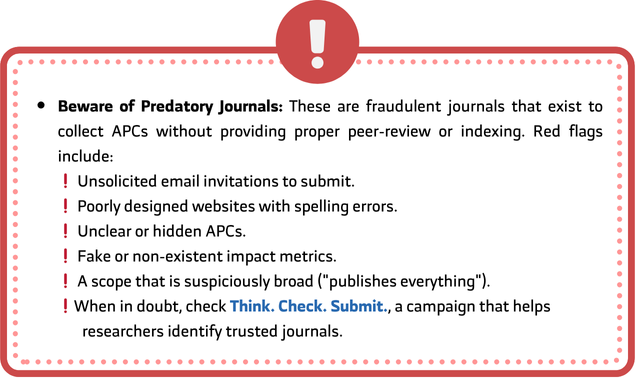
Predatory journals exploit the open-access model by charging fees without providing rigorous peer review or editorial services. Red flags include unsolicited email invitations, guarantees of rapid acceptance, hidden costs, and a lack of indexing in major databases like PubMed or Scopus. Researchers should always verify the journal’s legitimacy using resources like the “Think. Check. Submit.” campaign.


A Word From ResRef

Publishing a case report is the final, crucial step in the journey of clinical observation. It bridges the gap between a solitary experience at the bedside and a shared lesson for the global medical community. While the process of submission and peer review can be rigorous and sometimes challenging, it ensures that your valuable insights are validated, preserved, and made accessible to help future patients. A published report is not just a line on a CV; it is a permanent contribution to the collective wisdom of medicine.

In our upcoming comprehensive supplement, we will move from strategy to action. We will provide you with a Practical Step-by-Step Guide, walking you through the minute details of the submission workflow—from navigating online portals to responding to reviewers—to ensure you have a complete roadmap for success.

A bilingual PDF (Arabic | English), containing the same information in an organized format, is available for download [here].

Authorship and Contributions

The following section acknowledges the individuals who contributed to the authorship, editing, translation, and preparation of this article, ensuring its academic integrity and clarity.

Dr. Yasser MHD Kheir Alghabra

Author

Senior Resident, ENT–Head & Neck Surgery

Dr. Abdulmajeed MHD Yousfan

Editor

Consultant, ENT–Head & Neck Surgery

Dr. Mohammad Baraa Ahmad Abu Bakr

Translator & Formatter

Junior Resident, ENT–Head & Neck Surgery

Facebook
Telegram
LinkedIn
Email

Leave a Comment

Your email address will not be published. Required fields are marked *

There are no reviews yet. Be the first one to write one.

Realted Articles

Publishing Case Reports
Case Report

Publishing Case Reports

Writing a case report is only half the battle; publishing it requires strategy. This guide covers how to select the right journal, avoid predatory publishers, and meticulously prepare your manuscript to ensure your clinical insights reach the medical community.

Read More »
Publishing Case Reports
Case Report

Case Series and Beyond

A clear and practical guide to understanding Case Series in medical research — including their purpose, design, strengths, and role in driving medical innovation.

Read More »
Case Series in Medical Research
Case Report

The Practical Guide to Writing a Medical Case Report

A comprehensive step-by-step guide for medical professionals and students on how to write and publish a clinical case report. It covers structure, ethical requirements, and practical tips to ensure clarity, originality, and compliance with international journal standards.

Read More »
Scroll to Top