Psychiatry
The Cognitive Load Theory Questionnaire (CLT-Q) is an essential 15-item self-report tool for evaluating mental workload during learning tasks, aiding both instructional and research applications.


The Cognitive Load Theory Questionnaire (CLT-Q) is an essential 15-item self-report tool for evaluating mental workload during learning tasks, aiding both instructional and research applications.
The Adolescent Student Psychological Need Thwarting Scale (AS-PNTS) is a validated 9-item tool assessing negative student-teacher dynamics.
The Brief Self-Compassion Inventory (BSCI) is an essential 5-item self-report tool for evaluating psychological adaptation quickly, aiding both clinical and research oncology applications.
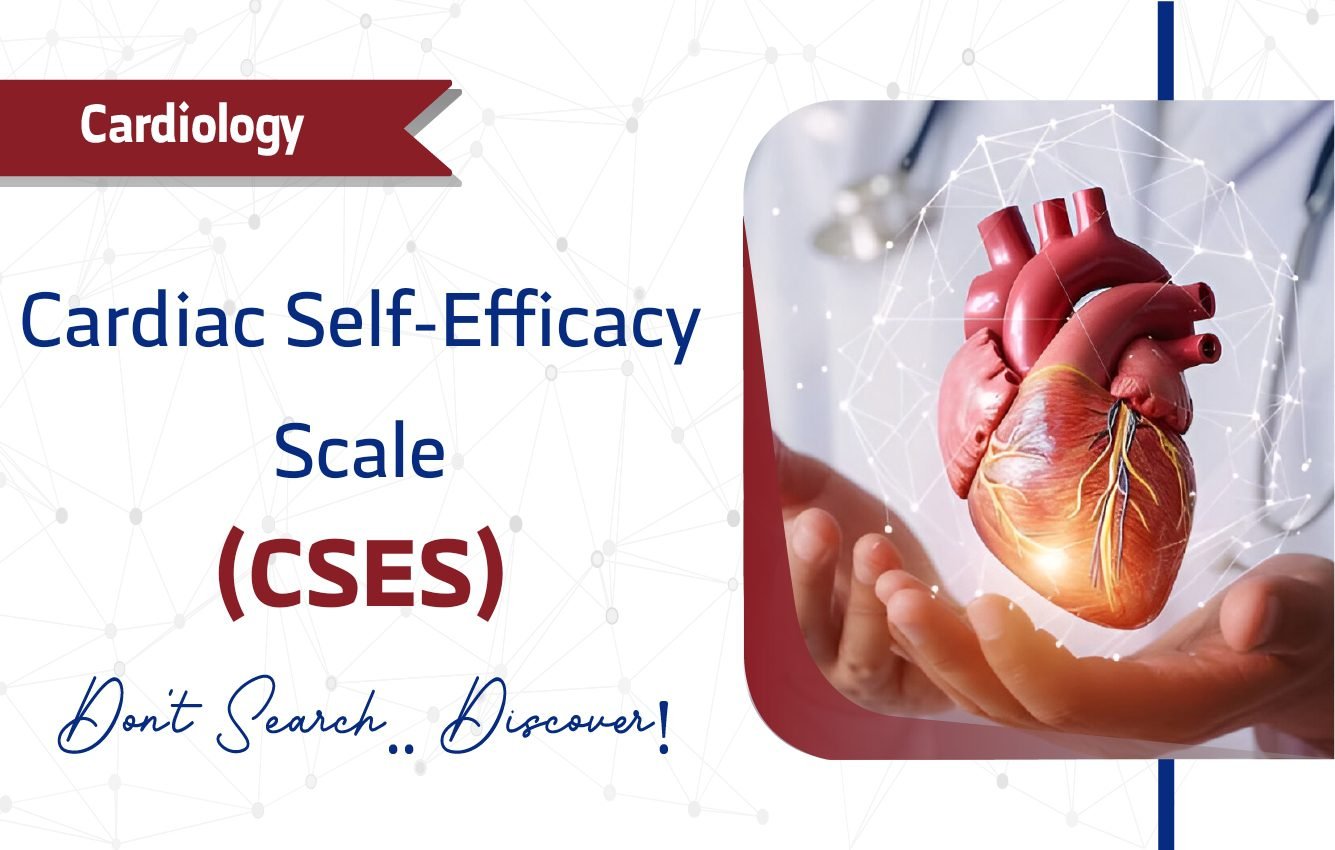
The Cardiac Self-Efficacy Scale (CSES) is a valuable, free 13-item tool for measuring patient confidence in managing symptoms and daily functioning with coronary heart disease.
The Compulsive Sexual Behavior Disorder–Diagnostic Inventory (CSBD-DI) is a brief, validated 7-item tool designed to screen for compulsive sexual behavior based on ICD-11 criteria.
The Cardiac Rehabilitation Inventory (CRI) is an 18-item, self-administered tool used to assess patient anxiety and autonomy within cardiac rehabilitation programs.
The Adult Attachment Prototype Ratings (AAPR) uses an interview-based procedure with four prototype ratings to assess adult attachment patterns in close interpersonal relationships.
The Attachment Q-Sort (AQS) offers researchers and clinicians a robust observational method to evaluate secure-base behavior and attachment security in young children aged 12–48 months.
The Cardiac Rehabilitation Barriers Scale (CRBS) helps researchers and clinicians identify key obstacles preventing patients from participating in cardiac rehabilitation programs.
The Coronary Artery Disease Education Questionnaire – Second Version (CADE-Q II) is a reliable, free instrument designed to evaluate patients’ knowledge of CAD, supporting effective
The Compassion Questionnaires for Self and Others–Revised (CQSO-R) provide researchers and clinicians with reliable instruments to measure multifaceted compassion skills toward self and others.

The Bullied Cognitions Inventory (BCI) helps researchers and clinicians measure maladaptive beliefs related to bullying experiences that contribute to social anxiety and PTSD-like symptoms.
The Catquest-9SF Patient Outcomes Questionnaire (CatQuest-9SF) is a highly reliable, 9-item Rasch-scaled instrument designed to measure visual disability and patient-reported outcomes following cataract surgery in

The Valued Living Questionnaire (VLQ-2) is a validated 27-item tool used in Acceptance and Commitment Therapy to measure the alignment between personal values and daily

The Vulvovaginal Symptoms Questionnaire (VSQ) measures vulvovaginal symptoms, emotional responses, life impact, and sexual effects in postmenopausal women, offering a reliable quality-of-life instrument for research

The Food Consumption Score (FCS), developed by the World Food Programme, assesses household food consumption over 7 days using weighted food group frequencies as a